The strength of the euro has been failing, and there seems little that the euro-zone countries have been able to do to stop it. There have been many meetings in the last two years in which the European leaders have worked to save the euro, and the past week has been no different. But while the market was hopeful of definitive steps being taken, the Globe and Mail reports that observers should not ‘bet on it’. The likelihood of even just the 17 euro-zone countries, led economically by Germany and France, to not only come to an agreement, but to effectively implement that solution, depends to a large extent, on questions of sovereignty. With even the German and French economies stagnating, it would appear to be crucial to facilitate a solution in order to avoid another recession in Europe. The French and German leaders put a proposal forward that they are backing with force and most countries have decided to tow the line. But Britain is not willing to do so, and as they have historically refused to accept the euro over their currency, the British pound, they have effectively removed themselves from, arguably, the most pressing European issue to date. So where does this leave the Union?
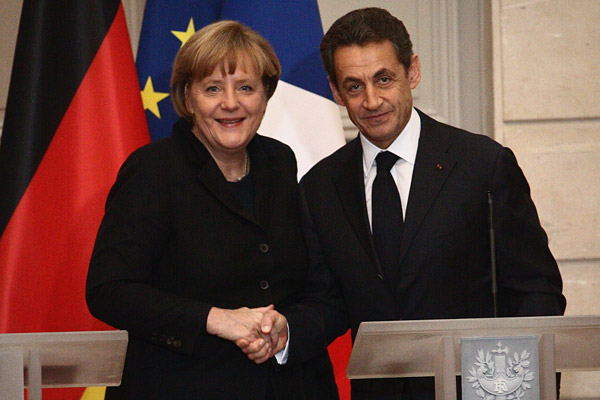
Not all members of the EU are euro-zone members, and only 23 to date have signed on to the idea of a new intergovernmental treaty, with each of the six non-euro countries that have signed on to date wishing to join to currency union. With the vote for a proposed renegotiation of the EU Treaty, the countries of the EU have drawn their lines in the sand and they divided the countries on the issue of the currency union. France and Germany made it clear early on that they were willing to work without the whole of the Union, concentrating only on the euro-zone countries if necessary. Britain balked at the proposed plan, and David Chambers vetoed the renegotiation. This move appears to be backed by the majority of British voters, a poll taken on Saturday shows. But the move also means that Britain is essentially isolated from a modified European Union. While there are few moments in history that place Britain in a pro-Continental Europe stance, in this era of Globalization the possibility of isolation should be viewed with trepidation as a threat to a country’s political and economic prosperity. With David Chambers’ action, and the apparent suport of the British people, it would appear that they disagree. The protection of ones sovereignty and interests is of course to be expected, but in this case it could lead Britain to a stage in its history that would make its weakened political and economic state during the initial years of decolonization and subordination to the US following World War Two appear to be the height of their strength and empire in comparison.
And the European Union itself? Well, it has become increasingly apparent that changes to the structure of the Union need to be made in order to maintain functionality with the large number of additions to its membership in the past two decades. And it would be hard to argue that the Maastricht Treaty, which created the current version of European cooperation, is not outdated, especially with regard to the European currency. The threat of widespread economic depression in Europe due to the lack of effective reforms appears to be the incentive necessary to make the needed changes. But no one appears to have predicted the modified Union not including Britain. Only time will tell if a complete separation from the Union is Britain’s ultimate fate.
 international canadian